At Herbalists Without Borders, we believe that food is medicine – and food justice is health justice. That belief calls us not only to the plants we gather, but to the soil and seeds that sustain them. It calls us to grow, give, share, and teach. It calls us to build community through gardens.
Seed Grant Program & Community Garden Projects

Why We Do This: Goals & Vision
Herbal access + food justice:
For HWB, healthy nutrition and wellness herbs go hand-in-hand. Without access to fresh food, herbal support is only part of the equation. By enabling communities to grow their own food and herbs, we aim to promote holistic health, resilience, and self-reliance.
Education & empowerment:
Gardens aren’t just about produce — they are powerful educational spaces. HWB supports not just growing gardens, but teaching people — youth, elders, community members — about how to garden, how to grow herbs, how to use them, and how to care for plants and the land.
Community building:
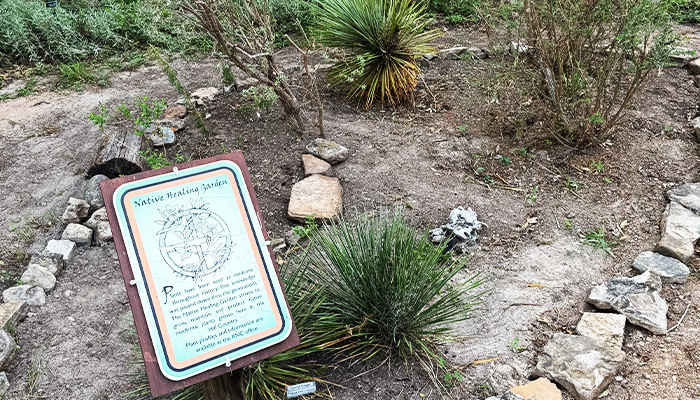
Whether in a city lot, a small donated plot, a backyard raised bed, or a farm, gardens can be inclusive and adapt to many scales and contexts. HWB has seen many successful garden models: from urban balcony “salsa kits” to farm plots to healing gardens curated by tribal elders.
Seed saving and biodiversity:
Focus on medicinal plant conservation
While many seed-saving initiatives focus on food plants, HWB emphasizes the inclusion of medicinal herbs, aiming to preserve native medicinal plants and support long-term community access to plant-based health.
Justice, accessibility, resilience:
Priority for seed grants is given to projects that serve underrepresented or marginalized communities, especially those facing barriers to healthy food or herbal access. Gardens supported by HWB are tools of health justice, community care, and mutual aid.
What We Offer
When you apply for an HWB Seed Grant, you’re not just getting a packet of seeds. In fact, there is an online forum in our members area for discussion and support.

Technical Support & Guidance
We offer eGuides, growing resources, and access to our member portal’s garden-education materials.
Garden Design Support
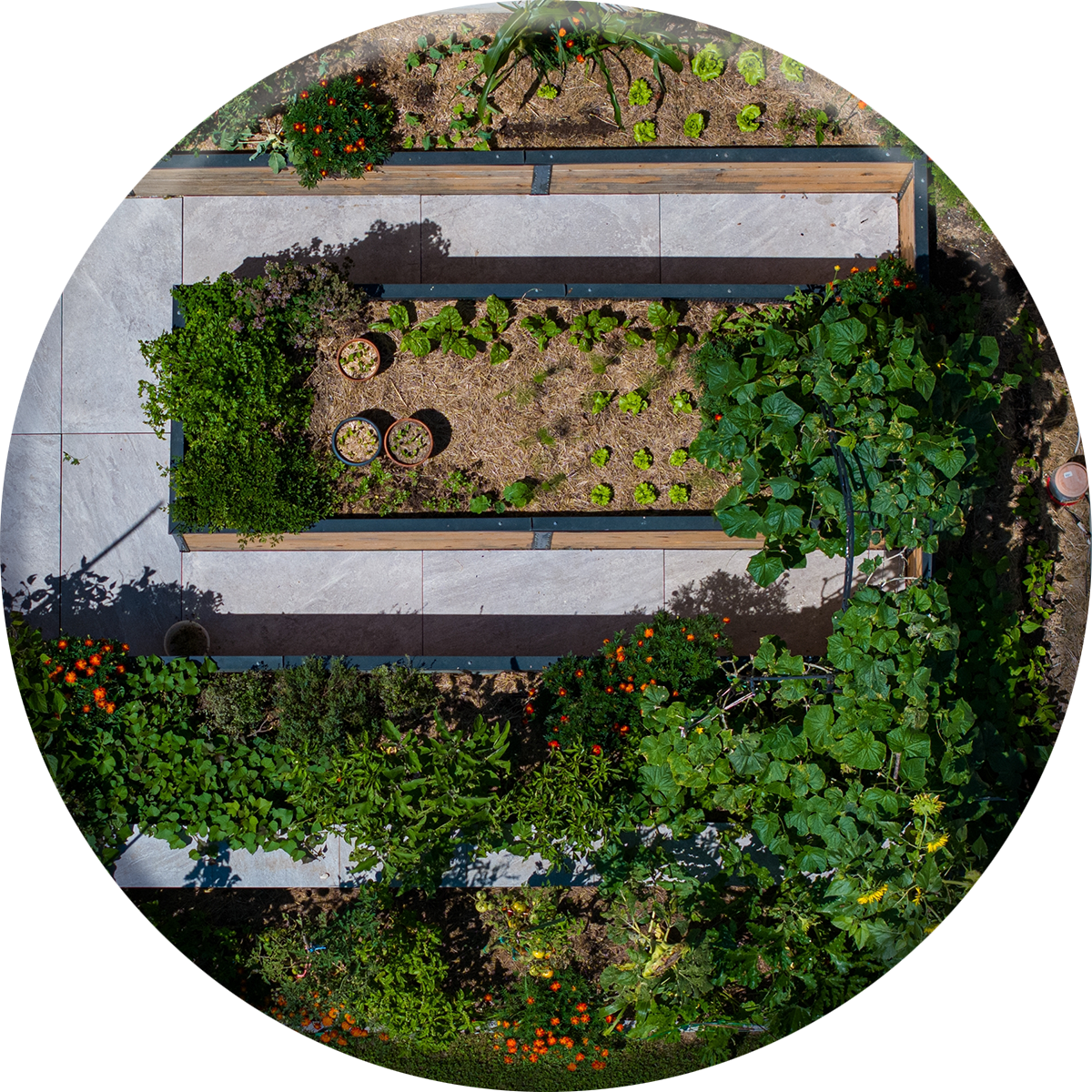
From small herb spirals and raised beds (3×6, 4×8) to 10×10 or 20×20 plots, or customized spaces; we also offer themed garden ideas (tea gardens, dye gardens, bee/butterfly gardens) depending on project vision.
Education & Community Engagement Tools
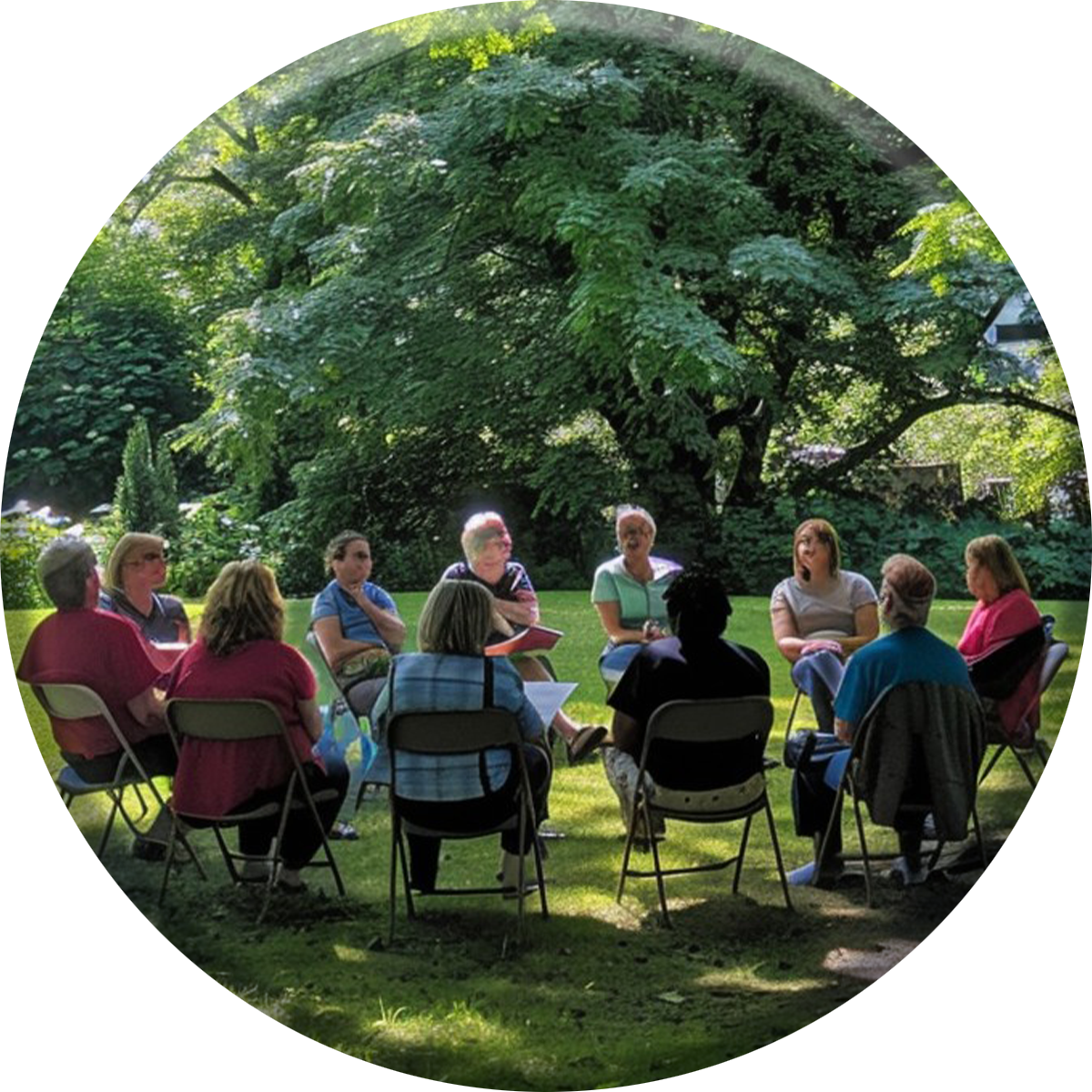
Materials for classes, plant walks, plant-based wellness education, seed-saving workshops, and more, for all ages.
Network of Support & Collaboration
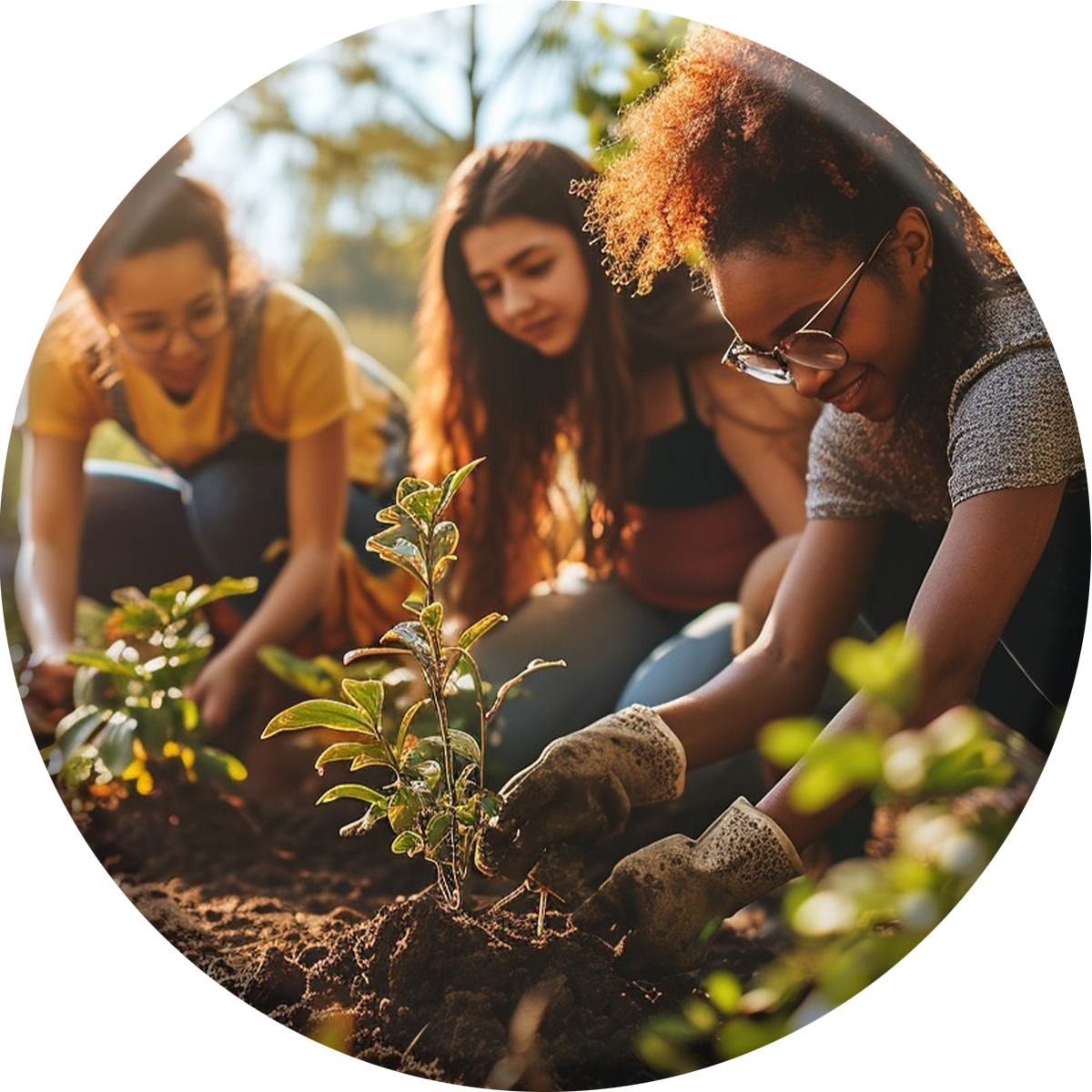
HWB connects growers, herbalists, educators, permaculture designers, and advocates across the U.S. and globally so that no one gardens alone.
What To Know: Who Can Apply & When
The program is open once a year to HWB U.S. Coordinators — individuals in charge of a Chapter, Clinic, or Project – and HWB Members serving their communities.
The size of the grant (seed-kit) depends on the level of seed donations that year. We generally have a small seed grant of 25+ seed packets, and a large seed grant of 50+ seed packets.
We will send an email to all Coordinators to announce the launch when the grant opens, and after the first round of shipping to Coordinators, we open the grants to members.
Community Garden Projects
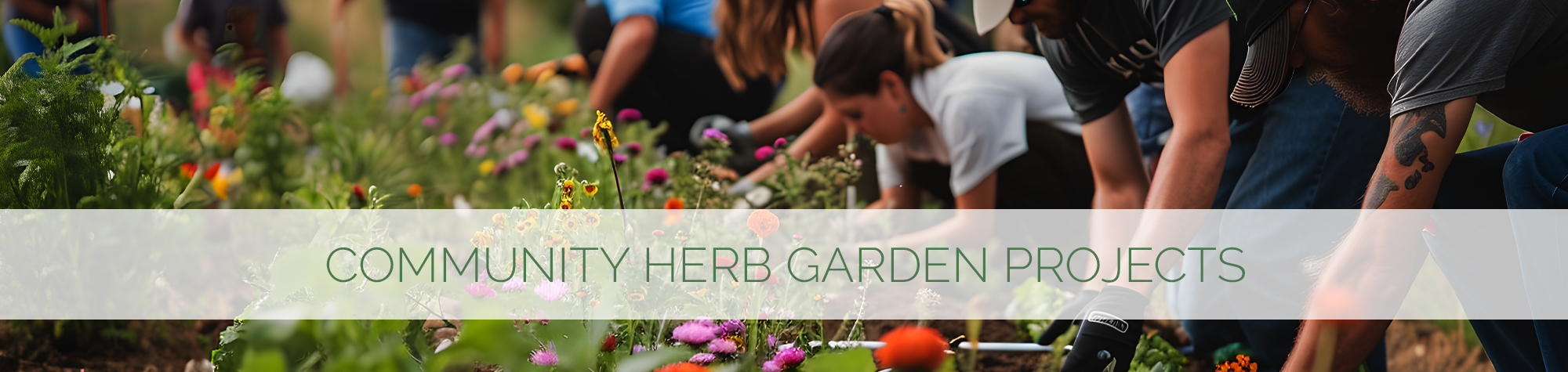
When we consider global crises it is easy to feel overwhelmed and become disempowered. Creating community gardens that bring back medicinal herbs alongside wild foods of the local habitat is a tangible way to be a part of the solution.
As we grow gardens we grow community. Food access is a health justice issue, and by getting healthy food gardens growing in communities, we can support communities in need.
While our primary focus is herb gardens, many HWB groups grow food to donate to local people via bins at free clinics, community events, and local food pantries.
These gardens look different to serve the specific needs in that community and may include:
- Grow a Row
- Community Gardens
- Food Gardens
- Educational Herbal Gardens
- and more